Patio or Deck: Which Outdoor Option Is Best for You?
When evaluating exterior spaces, the choice between a patio and a deck can be quite challenging. Either choice presents specific benefits and drawbacks that can significantly affect both functionality and aesthetics. Considerations like maintenance requirements, budget constraints, and intended use are critical to this decision. Grasping these factors can help homeowners make informed choices. So which choice is most compatible with your individual needs and desires? The outcome could be eye-opening.
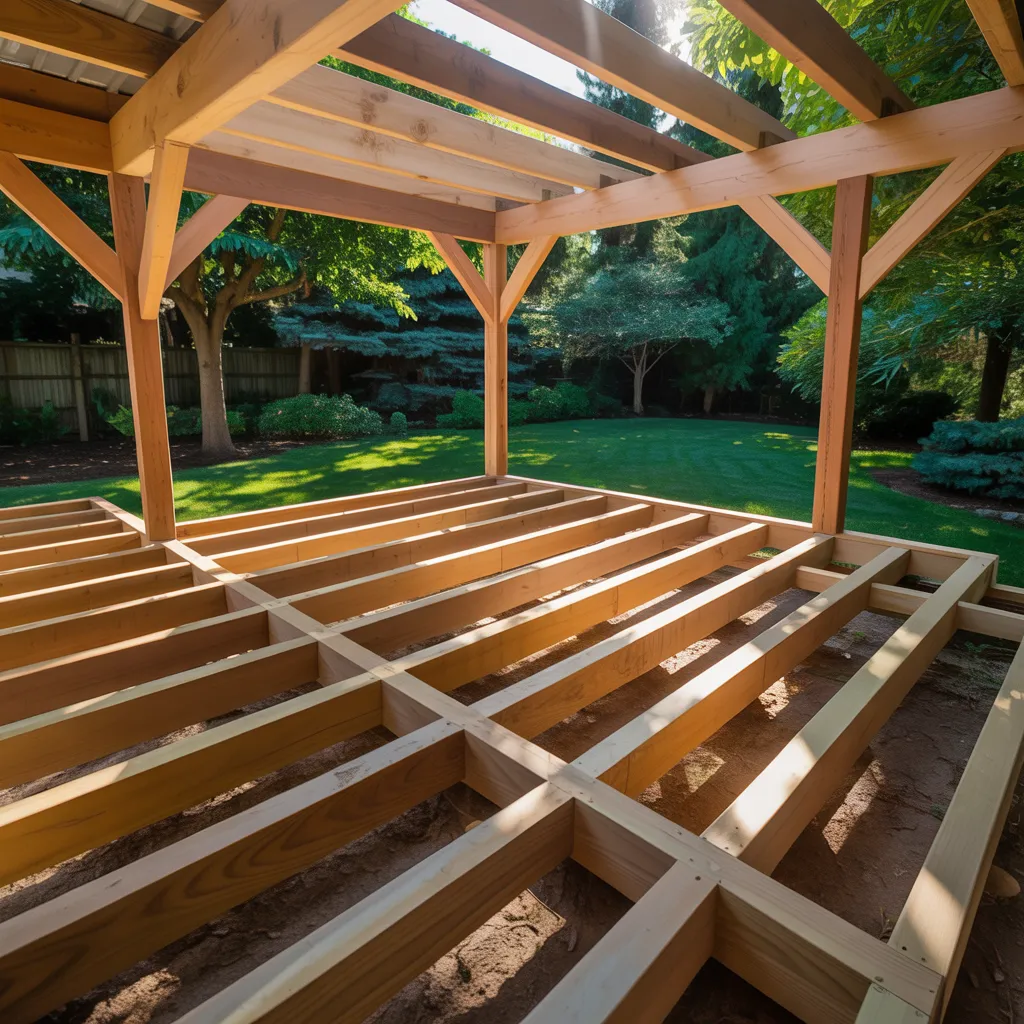
Reaching Your Decision: Critical Elements for Your Outdoor Living Space
When evaluating the ideal choice for an outdoor living area, what factors should be taken into account? Homeowners should assess several key elements, including the planned purpose of the area, budget, and maintenance requirements. To begin, determining the primary purpose of the outdoor area—be it for social gatherings, leisure, or cultivating a garden—plays a significant role in the decision. Next, budget constraints play an essential role; patios tend to be more affordable to install than decks, which can be more expensive due to materials and construction complexity. Additionally, ongoing care demands must be factored in. Patios are often lower maintenance compared to decks, since decks can require routine sealing and staining treatments. Equally important, local environmental factors and topography can impact the resilience and functionality of both options. By carefully considering these elements, property owners can reach a well-considered choice that suits their needs and tastes, ensuring a satisfying outdoor environment for years to come.
Understanding the Basics: The Key Distinctions Between a Patio and a Deck?
Grasping the fundamentals of patios and decks requires acknowledging their unique material options and design features. Patios are commonly built using concrete, stone, or brick, while decks are most often constructed from wood or composite materials. Moreover, decks are commonly built at an elevated height, delivering a unique aesthetic and functional appeal when compared to the surface-level design of patios.
Overview of Material Choices
Material selection is a key factor in the difference between patios and decks. Patios are generally made using materials like concrete, stone, or brick, offering long-lasting durability and a solid foundation that merges harmoniously with the natural surroundings. These materials are often chosen for their ability to withstand various weather conditions and require minimal maintenance.
By comparison, decks are typically built from wood and composite options, which provide a warmer appearance and are raised above the ground level. Conventional timber selections, such as cedar and redwood, offer a naturally beautiful appearance but necessitate consistent care to avoid deterioration and decay. Composite materials, while often more expensive, offer a maintenance-free option that mimics the look of wood. At the end of the day, the selection of materials considerably influences the performance and aesthetic value of every outdoor area.
Design and Elevation Distinctions
Elevation is a key distinguishing factor between patios and decks. In most cases, patios are installed at ground level and built from materials including stone, concrete, or brick. As a result, they blend seamlessly with the surrounding landscape, offering a solid surface for outdoor furniture and recreational activities. On the other hand, decks are typically raised structures constructed from wood or composite materials, providing views of the yard or surrounding landscape. This raised positioning can greatly enrich outdoor experiences, most notably on uneven or sloped terrains. From a design perspective, patios offer greater flexibility in shape and size, integrating naturally with gardens, whereas decks typically adopt a more standardized rectangular or square format, commonly incorporating railings and stairs for ease of access.
Best Reasons to Opt for a Patio in Your Outdoor Space
Even though patios and decks both present exceptional qualities, many homeowners find that a patio provides a versatile and durable solution for outdoor living. Patios can be constructed from a variety of materials, including concrete, stone, or brick, providing opportunities for customization to suit the home's overall style. Their lower profile and integration with the landscape create a seamless shift between indoor and outdoor spaces.
Moreover, patios need less maintenance when compared with decks, which typically demand regular sealing find here or staining. Patios are also unlikely to experience problems like warping or splintering, which makes them a better option for families with young children or pets. Beyond that, patios are able to support various outdoor additions like fire pits, grills, or seating areas, enhancing their functionality. Overall, for individuals in search of a resilient, flexible outdoor environment, a patio offers an excellent option that suits different lifestyle requirements and tastes.
How Decks Enhance Outdoor Living
When considering outdoor living spaces, decks present a distinctive appeal that countless homeowners enjoy. Lifting a space above the ground, decks offer clear views of the neighboring landscape, enhancing the overall enjoyment of outdoor areas. This height also allows for enhanced drainage and minimizes the accumulation of moisture, which can be a problem with ground-level patios.
Furthermore, decks provide varied design solutions, accommodating various looks and finishes, from natural wood to composite options, guaranteeing a fit with the home's overall design. They also create an optimal setting for welcoming guests, as they can readily support seating arrangements, cooking equipment, and additional outdoor essentials.
Additionally, decks function as linking zones, naturally bridging indoor and outdoor environments. The capacity to tailor size and shape empowers homeowners to optimize their exterior living space. All in all, decks improve outdoor lifestyle experiences, contributing to both usability and decorative value.
Patio vs. Deck: Cost Considerations?
Cost considerations play an essential role in the decision-making process between choosing a patio or a deck for exterior living areas. Generally, patios tend to have a lower initial installation cost compared to decks. Patios, often constructed from concrete, stone, or brick, can be less expensive due to the availability of materials and simpler labor requirements. In contrast, decks typically require more specialized materials like wood or composite, along with additional structural support, increasing overall expenses.
Additionally, the expense of routine maintenance can fluctuate. Wooden decks often require regular staining and sealing, while patio surfaces generally demand minimal care. That said, the overall landscaping plan can influence costs notably. Homeowners should consider their financial plan not only for installation but also for potential future expenditures. Ultimately, being aware of these monetary considerations can assist in reaching a carefully considered selection that suits both design preferences and financial limitations.
Deck versus Patio: What Are the Maintenance Requirements?
Maintaining a deck generally demands greater attention than maintaining a patio. Decks, especially those made of wood, are susceptible to insect damage, weathering, and rot. Periodic sealing and staining are essential to protect the wood and prolong its lifespan. By comparison, patios, often constructed from durable materials like concrete or stone, require less routine upkeep. Cleaning a patio typically involves routine sweeping and power washing to clear away dirt and debris.
Furthermore, decks often require repairs from bent or deteriorating planks, while patios tend to stay in good condition unless damaged. Regular seasonal attention for decks often involves checking for loose fasteners and ensuring adequate water flow to reduce water retention. Overall, while both outdoor spaces require upkeep, the maintenance needs of a deck are considerably more thorough and lengthy compared to patio maintenance demands, making it important for homeowners to consider their willingness before deciding.
Visual Appeal: Patios vs. Decks for Your Home
When examining aesthetic appeal, patios and decks each offer notable benefits for property owners. Patios deliver a variety of design options with diverse materials and finishes, while decks tend to stand out in their potential to showcase natural wood and vibrant colors. Understanding these options allows homeowners make informed decisions that elevate their exterior environments.
Design Versatility
The versatility of design plays a vital role in improving the visual appeal of exterior living areas, and both patios and decks offer unique advantages. Patios, commonly built using stone, brick, or concrete, harmoniously complement a variety of landscaping styles, producing a unified aesthetic. Their flat surfaces allow for a variety of design elements, such as outdoor furniture, fire pits, and planters, enabling homeowners to personalize their space effectively.
By comparison, wooden decks, often elevated and made from wood or composite materials, deliver a distinct aesthetic charm. They can enhance views and create a sense of openness, perfect for residences near water or elevated landscapes. Both alternatives, as a result, enable creative expression, accommodating various preferences and practical requirements in outdoor design.
Available Colors and Materials
The selection of colors and materials heavily affects the overall visual attractiveness of patios and decks, with each offering unique possibilities. Patios are generally constructed using materials such as stone, concrete, or brick, permitting a wide range of textures and finishes. These options can be tailored with colors that range from earthy tones to bold hues, accentuating the surrounding landscape. In contrast, decks are often constructed from wood or composite materials, that can be stained or painted to create a preferred appearance. Wooden decks provide a classic warmth, while composite materials provide durability across a wide range of colors. Ultimately, home and landscape styles dictate the choice, as both options can blend with or distinguish themselves from the existing architectural style, creating a cohesive outdoor environment.

Questions Our Clients Often Ask
Is It Possible to Install a Patio or Deck on My Own?
Absolutely, an individual can set up a patio or deck themselves, provided they possess the needed knowledge, skills, and tools. Adequate planning, adherence to local rules, and familiarity with materials are important for a smooth outcome.
What Are the Best Materials for Patios and Decks?
For patios, concrete, pavers, and natural stone are top choices, while wood, composite, and vinyl stand out as superior options for decks. Every material provides distinct benefits in terms of durability, aesthetics, and maintenance, shaping the overall outdoor experience.
What Is the Best Way to Choose the Ideal Location for My Patio or Deck?
Identifying the right area for a patio or deck involves examining drainage, sunlight, proximity to the home, privacy, and views. Examining these important factors promises an practical and comfortable outdoor area that enhances the surrounding area.
Which Provides Better Resale Value: Patios or Decks?
Patios typically provide superior resale value because of their robust construction, minimal maintenance requirements, and natural harmony with landscaping. That said, decks may draw in buyers who desire elevated exterior spaces, making both options potentially beneficial depending on the market.
What Local Rules Impact Patio and Deck Installation?
Municipal rules governing patio and deck construction typically include zoning laws, building codes, and permits. Homeowners must verify height restrictions, property line setbacks, and materials allowed to ensure adherence to local regulations prior to construction.